Affordable Research Peptide Peripherals in New Zealand: Why D Lab BAC Water Matters
Research peptides get most of the attention, but the quiet little peripherals do a lot of the heavy lifting. Think labels, sterile vials, storage gear, syringes for lab handling, and especially BAC water. Not glamorous, no red carpet, no dramatic movie trailer. Still, without the right supporting supplies, peptide research can become slower, messier, and more expensive than it needs to be.
That is where D Lab has positioned itself in New Zealand: helping make the surrounding tools of the research peptide space easier to access and more affordable, with a special focus on bacteriostatic water.

Research peptide work needs more than peptides
In any research setting, the headline material is only one part of the job. A peptide may be the star of the experiment, but the supporting cast matters. If the peripheral products are hard to find, overpriced, or inconsistent, the whole process can suffer.
For peptide researchers, dependable peripherals help with:
Consistency
The same materials used across repeated work help reduce avoidable variation.
Cost control
Affordable supplies make it easier to plan research without every small item feeling like it was priced by a wizard in a tower.
Access
Local availability in New Zealand can reduce delays, shipping issues, and reliance on overseas suppliers.
Handling confidence
Clear labelling, appropriate packaging, and sensible product information help researchers work more carefully.
None of this replaces proper lab protocols, training, or compliance. This article is informational only and refers to research use, not human or veterinary use.
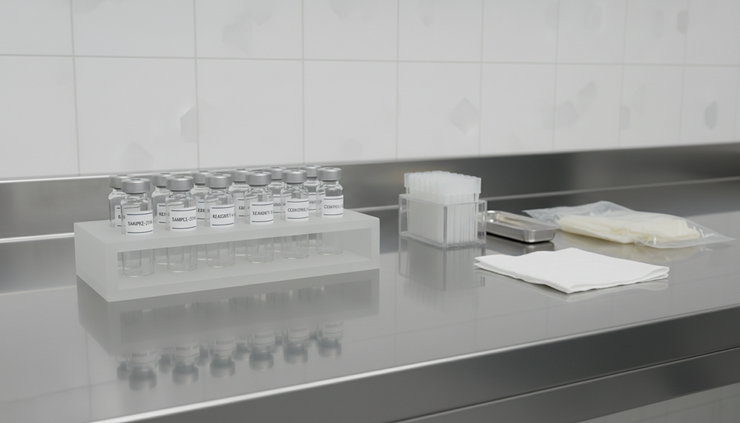
Why BAC water matters in peptide research
Bacteriostatic water is commonly used in laboratory contexts where a sterile water-based diluent with a bacteriostatic agent is required. The key ingredient often discussed is benzyl alcohol, which helps inhibit the growth of bacteria after a vial has been accessed.
A natural way to describe the category is: BAC, bacwater, bacteriostatic water, 0.9% benzyl alcohol, peptides, and research handling all tend to appear in the same conversation because the diluent can affect workflow, storage planning, and repeatability.
The “bacteriostatic” part is the big deal. It does not mean magic force field. It means the formulation is designed to help slow bacterial growth under appropriate conditions. That distinction matters because lab materials still need correct handling, clean technique, suitable storage, and attention to expiry information.
In plain English: it helps, but it does not babysit the experiment.
Affordability is not just about saving a few dollars
Affordable BAC water matters because costs compound fast. A single vial might not seem like much, but regular research work can involve repeated use of consumables. When every supporting item carries a heavy mark-up, the budget starts squeaking like a trolley with one bad wheel.
For New Zealand researchers and small operators, affordability can influence:
How consistently supplies are kept on hand
Whether local stock is preferred over overseas ordering
How easy it is to avoid last-minute substitutions
Whether smaller research projects remain practical
There is also a quality angle. When legitimate, clearly presented products are priced fairly, people are less tempted to take shortcuts or buy from questionable sources. Cheap is not the goal. Fair, accessible, and fit for purpose is the goal.
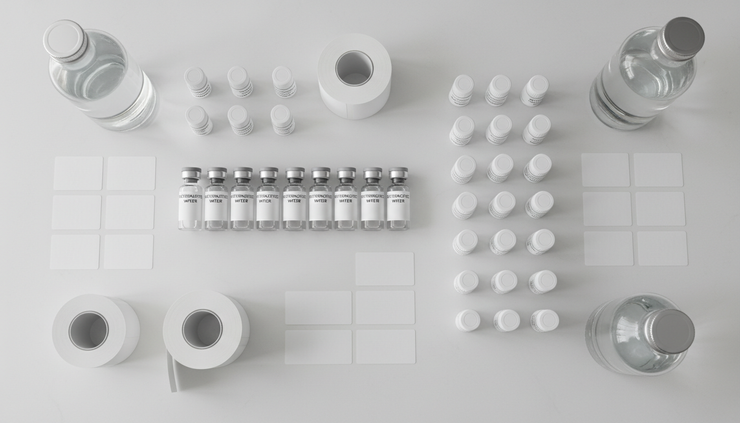
Local supply helps New Zealand research move smoothly
New Zealand has its own practical challenges. International shipping can be slow, expensive, and occasionally dramatic in the way only logistics can be. A parcel sitting somewhere offshore is not exactly useful when a research plan needs materials now.
A nationwide local supply model helps reduce friction. That can mean:
Faster access compared with many overseas options
Pricing that reflects the local market
Fewer surprises with freight
More confidence around product availability
DLab has been set up around that simple idea: support the research peptide industry with affordable peripheral products that are easier for New Zealand customers to access.
This kind of support is not flashy, but it is genuinely useful. A lab does not run on big ideas alone. It also runs on small bottles, clean tools, clear labels, and supplies that turn up before everyone loses the plot.
What “good” BAC water support should look like
Affordable products should still come with sensible standards. In this space, buyers should look for clear product information, sealed packaging, batch or expiry details where applicable, and wording that makes the intended research use clear.
A good supplier should avoid vague miracle claims. BAC water is a lab peripheral, not a personality trait. The role is practical: support controlled research handling where appropriate.
The best experience is boring in the right way. The product is available, the description is clear, the packaging makes sense, and the price does not require a small emotional recovery period.

The takeaway for New Zealand peptide research
Affordable peripherals matter because research depends on repeatable, practical systems. Peptides may sit centre stage, but BAC water and other supporting supplies help keep the show running without unnecessary cost or delay.
For New Zealand, local access is especially valuable. It can reduce shipping headaches, improve planning, and make research support products easier to buy at fair prices.
For affordable research-use BAC water and related supplies, visit bacwater.co.nz.
Small bottle, big role. Not every lab hero wears a cape. Some arrive sealed, labelled, and ready for research use.



Comments