How to Purchase BAC Water NZ: A Guide for Research Professionals
Bacteriostatic water is an essential component in many laboratory and research settings. It provides a sterile, preservative-containing solution that inhibits bacterial growth, making it ideal for diluting or reconstituting medications and reagents. For professionals working in New Zealand's research community, obtaining high-quality bacteriostatic water is critical. This article explains how to purchase BAC water NZ safely and efficiently, ensuring your laboratory maintains the highest standards.
Where to Purchase BAC Water NZ
Finding a reliable supplier for bacteriostatic water in New Zealand can be challenging. It is important to source from a trusted provider that guarantees product purity and compliance with local regulations. When you purchase BAC water NZ, consider the following factors:
Product Quality: Ensure the water is sterile and bacteriostatic, with no contaminants.
Packaging: Look for sealed, tamper-evident vials or bottles suitable for laboratory use.
Supplier Reputation: Choose suppliers with positive reviews and a history of serving research professionals.
Delivery Options: Confirm that the supplier offers discreet and timely shipping across New Zealand.
One convenient option is to buy bac water online from a reputable New Zealand-based supplier. This method saves time and provides access to detailed product information and customer support.
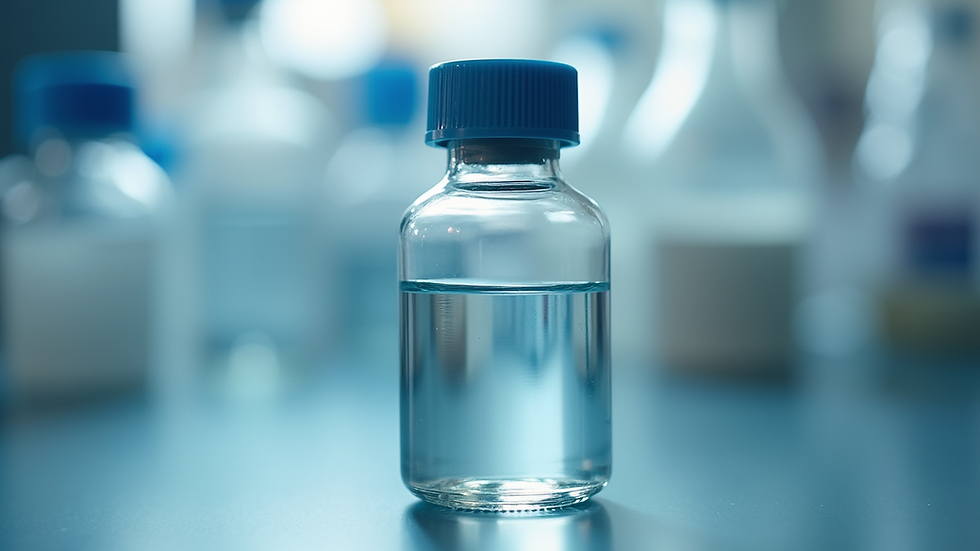
Understanding the Importance of High-Purity Bacteriostatic Water
Bacteriostatic water differs from regular sterile water because it contains a preservative, usually 0.9% benzyl alcohol. This preservative inhibits bacterial growth, allowing the water to be used multiple times within a certain period without contamination. For research environments, this feature is crucial because:
It reduces the risk of microbial contamination during experiments.
It extends the usability of reconstituted substances.
It maintains the integrity of sensitive reagents.
When purchasing BAC water NZ, verify that the product meets pharmacopeial standards for bacteriostatic water. This ensures that the water is suitable for non-clinical laboratory applications and supports accurate, reproducible results.
Is Bacteriostatic the Same as Saline?
It is important to distinguish bacteriostatic water from saline solutions, as they serve different purposes in laboratory settings.
Bacteriostatic Water: Sterile water containing a bacteriostatic agent (benzyl alcohol). It is used primarily for diluting or reconstituting medications and reagents where bacterial growth prevention is necessary.
Saline Solution: A sterile solution of sodium chloride (0.9%) in water. It is isotonic and used for rinsing, irrigation, or as a vehicle for intravenous administration.
Using saline instead of bacteriostatic water can affect experimental outcomes, especially when bacterial contamination must be controlled. Always confirm the type of water required for your specific application before purchasing.

Tips for Safe Storage and Handling of Bacteriostatic Water
Proper storage and handling of bacteriostatic water are essential to maintain its sterility and effectiveness. Follow these guidelines:
Store in a Cool, Dry Place: Avoid exposure to direct sunlight or high temperatures.
Keep Vials Sealed Until Use: Open only when ready to use to prevent contamination.
Use Sterile Equipment: Always use sterile syringes or pipettes when withdrawing water.
Observe Expiry Dates: Do not use bacteriostatic water past its expiration date.
Limit Multiple Withdrawals: Although bacteriostatic water can be used multiple times, limit the number of punctures to reduce contamination risk.
Adhering to these practices ensures that the bacteriostatic water remains safe and effective for your research needs.
Ensuring Compliance and Quality Assurance
When purchasing BAC water NZ, compliance with New Zealand's regulatory standards is non-negotiable. Suppliers should provide documentation such as Certificates of Analysis (CoA) and comply with the Ministry of Health guidelines for sterile products. Quality assurance measures include:
Batch testing for sterility and preservative concentration.
Clear labeling with batch numbers and expiry dates.
Transparent sourcing and manufacturing information.
Request these documents from your supplier to verify product authenticity and quality. This step is vital for maintaining the integrity of your research and laboratory operations.
Final Considerations for Purchasing BAC Water in New Zealand
Selecting the right supplier and product for bacteriostatic water is a critical decision for research professionals. By choosing a trusted New Zealand supplier, you ensure access to high-purity, sterile bacteriostatic water that supports your scientific work. Remember to:
Verify product specifications and certifications.
Follow proper storage and handling protocols.
Use the water strictly for its intended laboratory purposes.
For convenience and reliability, consider the option to buy bac water online from a reputable New Zealand supplier. This approach provides discreet, prompt delivery and access to expert support.
Maintaining high standards in your laboratory begins with sourcing quality materials. Bacteriostatic water is no exception. Make informed choices to support your research and contribute to scientific advancement in New Zealand.



Comments