Understanding the Uses of BAC Water in New Zealand: BAC Water Uses NZ
Bacteriostatic water, commonly known as BAC water, plays a crucial role in New Zealand's research and professional laboratory environments. This sterile water contains a small amount of bacteriostatic agent, usually benzyl alcohol, which inhibits bacterial growth. It is essential for various scientific applications where maintaining sterility and preventing contamination are critical. In this article, I will explain the uses of BAC water in New Zealand, its benefits, and practical considerations for research professionals.
What is BAC Water and Why is it Important?
BAC water is sterile water that contains 0.9% benzyl alcohol as a preservative. This addition prevents the growth of bacteria, making it suitable for multiple uses in laboratory and research settings. Unlike regular sterile water, BAC water can be used repeatedly from the same vial without the risk of contamination, provided it is handled correctly.
The importance of BAC water lies in its ability to maintain sterility over time. This feature is particularly valuable in research environments where precise and uncontaminated solutions are necessary. BAC water is used to dilute or dissolve substances, prepare injections, and clean laboratory instruments without introducing bacteria.
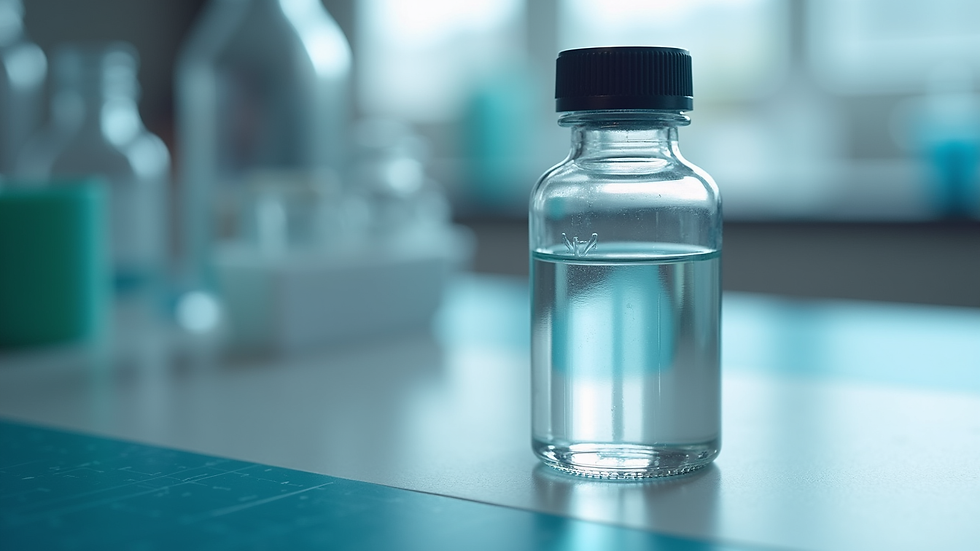
Common BAC Water Uses NZ
In New Zealand, BAC water is widely used in research laboratories, pharmaceutical preparations, and scientific experiments. Here are some of the most common applications:
Dilution of Medications and Reagents: BAC water is used to dilute powders or concentrated substances before administration or testing. Its bacteriostatic properties ensure that the diluted solution remains sterile for multiple uses.
Injection Preparation: In non-clinical research, BAC water serves as a solvent for injectable substances. It helps maintain sterility and reduces the risk of infection.
Cleaning Laboratory Equipment: BAC water can be used to rinse or clean instruments that require a sterile environment, preventing bacterial contamination.
Sample Preparation: Researchers use BAC water to prepare samples for analysis, ensuring that bacterial growth does not interfere with results.
Storage of Biological Samples: BAC water helps preserve biological samples by inhibiting bacterial growth during storage.
These uses highlight the versatility of BAC water in maintaining sterile conditions essential for accurate and reliable research outcomes.
Handling and Storage Recommendations
Proper handling and storage of BAC water are vital to preserve its bacteriostatic properties. Here are some practical guidelines:
Storage Conditions: Store BAC water vials in a cool, dry place away from direct sunlight. Avoid freezing or exposing the water to extreme temperatures.
Use Within Expiry: Always check the expiry date before use. Using BAC water past its expiry can compromise sterility.
Avoid Contamination: Use sterile techniques when withdrawing BAC water from the vial. Do not touch the needle or vial opening to unsterile surfaces.
Single Vial Multiple Uses: BAC water allows multiple withdrawals from the same vial due to its bacteriostatic agent. However, ensure the vial is capped properly after each use.
Disposal: Dispose of BAC water vials according to laboratory safety protocols once expired or contaminated.
Following these recommendations ensures that BAC water remains effective and safe for laboratory applications.

Where to Find BAC Water for Sale in New Zealand
For research professionals seeking reliable sources of BAC water, it is important to choose suppliers who provide high-purity, sterile products. D Lab is a trusted supplier across New Zealand, offering bacteriostatic water and sterile laboratory supplies tailored to research needs.
If you are looking for bac water for sale nz, consider suppliers who guarantee product quality, sterility, and discreet delivery. Reliable suppliers also provide detailed product information and support to ensure compatibility with your research protocols.
Ensuring Quality and Compliance in Research
Using BAC water in research requires adherence to quality standards and regulatory compliance. Here are key points to consider:
Purity Standards: Ensure BAC water meets pharmacopeial standards for sterility and purity. This guarantees that no contaminants interfere with research.
Documentation: Maintain records of BAC water batches, expiry dates, and usage logs. This practice supports traceability and quality control.
Compatibility Testing: Before using BAC water with new substances, conduct compatibility tests to confirm no adverse reactions occur.
Training: Laboratory personnel should be trained in proper handling and storage of BAC water to maintain its effectiveness.
Regulatory Compliance: Follow New Zealand’s health and safety regulations regarding the use and disposal of bacteriostatic water.
By focusing on quality and compliance, research professionals can maximise the benefits of BAC water while ensuring safe and reliable results.
Final Thoughts on BAC Water Uses NZ
BAC water is an indispensable resource in New Zealand’s research and laboratory environments. Its bacteriostatic properties make it ideal for maintaining sterility in various applications, from dilution to sample preparation. Proper handling, storage, and sourcing from reputable suppliers like D Lab ensure that research professionals have access to high-quality BAC water.
Understanding the uses and best practices surrounding BAC water supports scientific advancement and helps maintain the integrity of research outcomes. For those involved in laboratory work, investing in reliable BAC water supplies is a practical step toward achieving consistent and accurate results.



Comments